
LUPUS
Lupus, also known as systemic lupus erythematosus (SLE), is a chronic autoimmune disease.
In autoimmune diseases, the immune system, which is responsible for protecting the body against foreign substances and infections, mistakenly attacks healthy tissues. In the case of lupus, the immune system attacks various organs and tissues of the body, including the skin, joints, kidneys, heart, lungs, brain, and blood cells.
The exact cause of lupus is unknown, but it is believed to involve a combination of genetic, environmental, and hormonal factors. It primarily affects women of childbearing age, although it can occur in people of any age, gender, or race.
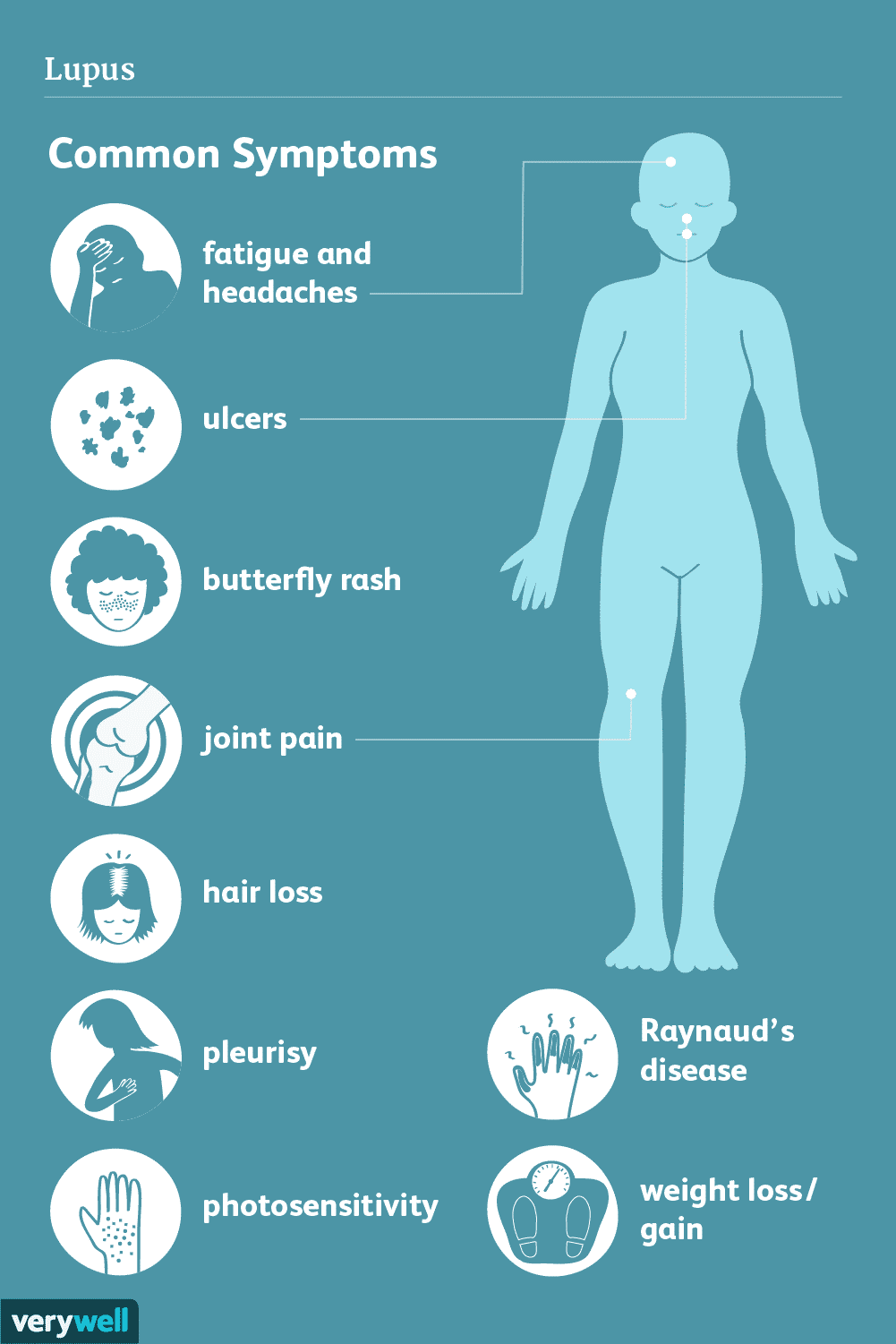
The signs and symptoms of lupus can vary widely and may come and go. Some common symptoms include fatigue, joint pain and swelling, skin rashes (such as a butterfly-shaped rash across the cheeks and nose), sensitivity to sunlight, fever, chest pain, shortness of breath, mouth sores, hair loss, and swollen lymph nodes.
Diagnosing lupus can be challenging because its symptoms can resemble those of other conditions. Doctors may use a combination of medical history, physical examination, blood tests, and imaging studies to help make a diagnosis.
While there is no cure for lupus, the treatment aims to control the symptoms and prevent organ damage. Medications such as nonsteroidal anti-inflammatory drugs (NSAIDs), corticosteroids, immunosuppressants, and antimalarial drugs are commonly used to manage the disease. Additionally, lifestyle modifications, such as protecting the skin from sunlight, managing stress, and regular exercise, can also be beneficial.
It’s important for individuals with lupus to work closely with healthcare professionals to develop a personalised treatment plan and to regularly monitor their condition. With proper management, many people with lupus are able to lead fulfilling lives.
EXERCISE & LUPUS
Exercise can be beneficial for individuals with lupus, although the type and intensity of exercise should be tailored to each person’s specific needs and abilities. Here are some important points to consider regarding exercise and lupus:
- Participants should consult with a healthcare provider before starting an exercise program, particularly if they have any specific health concerns or limitations related to lupus. They can provide guidance based on the individual’s situation.
- Benefits of exercise: Regular exercise can help improve overall physical and mental well-being for people with lupus. It can help reduce fatigue, improve joint flexibility and strength, enhance cardiovascular fitness, promote better sleep, alleviate stress and depression, and boost mood and self-esteem.
- Choose low-impact activities: Due to the potential joint and muscle involvement in lupus, it is generally recommended to focus on low-impact exercises that are gentle on the joints. Examples include walking, swimming, cycling, water aerobics, tai chi, yoga, and Pilates. These activities can help improve cardiovascular fitness, flexibility, and muscle strength without putting excessive stress on the joints.
- Listen to your body: It’s important to pay attention to the body’s signals and not push too hard. Fatigue and pain can be common in lupus, so it’s crucial to find a balance between staying active and not overexerting. Gradually increase the intensity and duration of workouts as the participants fitness level improves.
- Warm-up and cool-down: Prior to exercising, it’s essential to warm up muscles and joints with gentle movements and stretches. This can help reduce the risk of injury and improve flexibility. Similarly, cooling down after exercise with stretches can help prevent muscle soreness and promote relaxation.
- Sun protection: Many people with lupus are sensitive to sunlight, and exposure to ultraviolet (UV) rays can trigger flare-ups. If you exercise outdoors, it’s important to protect client’s skin by ensuring sunscreen, protective clothing, and a wide-brimmed hat are worn. Consider exercising during shaded hours or in indoor environments to minimize sun exposure.
- If participants experience joint pain or swelling during or after exercise, modify the activities or try alternative exercises that are less stressful on the affected joints. Gentle range-of-motion exercises can help maintain joint mobility and flexibility.
- Fatigue is a common symptom of lupus, so it’s important to pace and rest when needed. Pay attention to energy levels and take breaks as necessary. It may be helpful to schedule shorter, more frequent exercise sessions rather than longer, more intense workouts.
Remember that everyone’s experience with lupus is unique, so it’s important to work with healthcare providers and qualified exercise professionals to design an exercise program that suits the individual’s needs and abilities.